Physical education technology should make your program stronger, not harder to manage.
The goal is simple: enhance learning, not create more management or distractions.
Great PE teachers already know that when technology is used well, it supports movement instead of replacing it.
Below, real PE teachers share how it’s working in their classrooms and weight rooms every day.
Concerns About Physical Education Technology
Before looking at what’s working, it’s worth addressing two common concerns first.
Will It Get in the Way of Movement?
PE is about movement first. It’s fair to ask if screens and devices get in the way of that.
Students already spend plenty of time on phones and tablets outside of class. The concern is real: no one wants class time lost to scrolling instead of moving.
Used well, this kind of technology should point students toward movement, not away from it.
A quick video cue, a set logged between reps, a slide referenced mid-drill — these support activity instead of replacing it.
The goal is always more movement, not more screen time for its own sake.
Will It Replace Teachers?
It’s also natural to wonder if this kind of technology will ever replace the role of a teacher.
The short answer is no.
Technology can’t build relationships, coach effort, or read a room the way a great PE teacher can.What physical education technology can do is take work off your plate.
It can deliver instructional videos, track student data, and organize lesson plans, so you have more time to coach.
For a deeper look at this question, check out Will Technology Replace Teachers?
Check out a deeper dive into the PLT4M system exploring the 6 keys to success for physical education technology.
6 Keys to Physical Education Technology
So what does it actually look like when technology supports a PE program the right way?
Below are six keys, straight from teachers using it every day.
Each one shows a different way to enhance learning without adding stress or screen-time distractions.
- Visual & Video-Based Instruction
- Planning & Delivery
- Data & Tracking
- Personalized Instruction
- Student Ownership
- One Platform Across the Program
Key 1: Visual & Video-Based Instruction
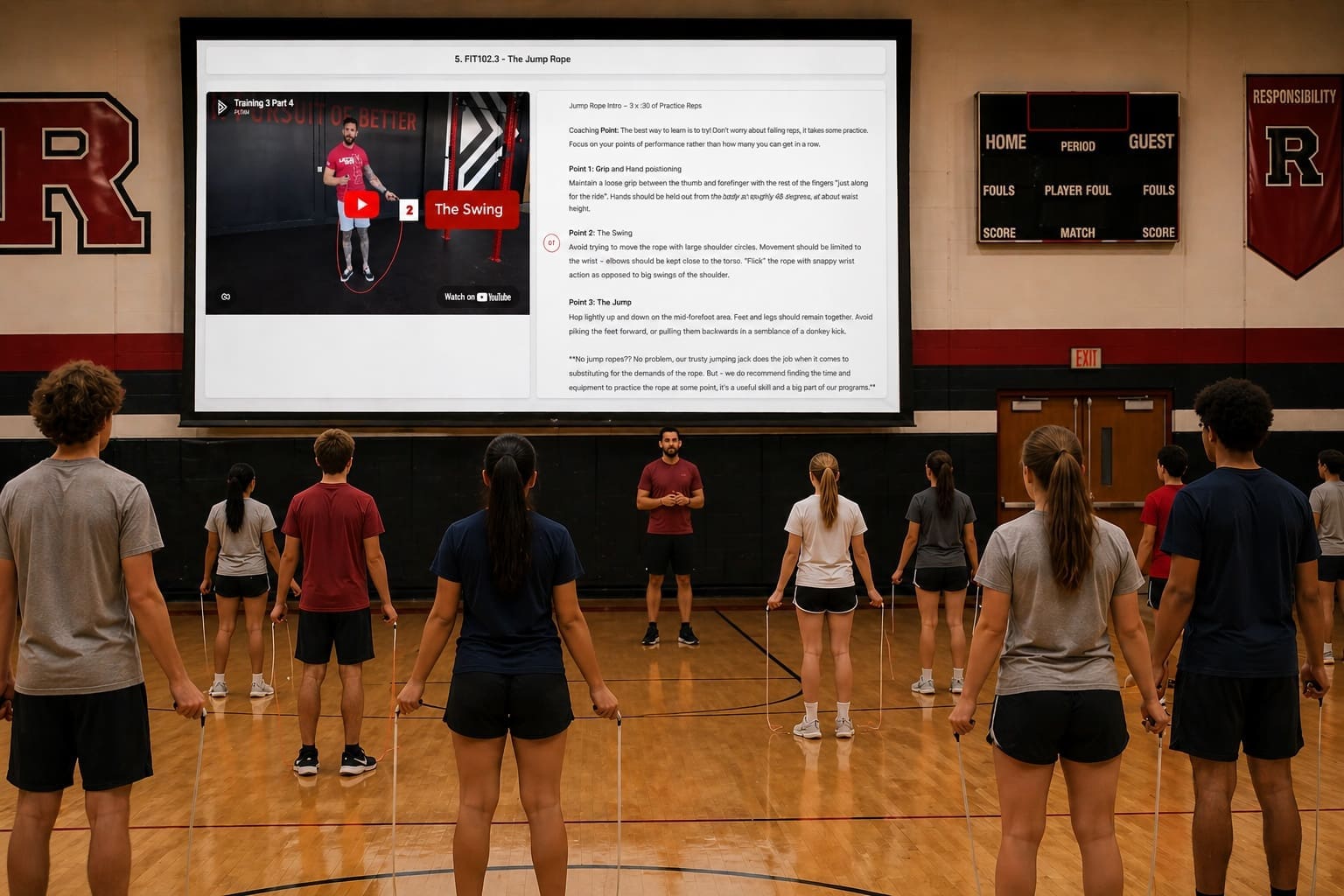
Visual and video-based instruction is where physical education technology makes its biggest impact.
Students today are visual learners first.
Seeing a skill demonstrated multiple ways helps it stick faster than words alone.
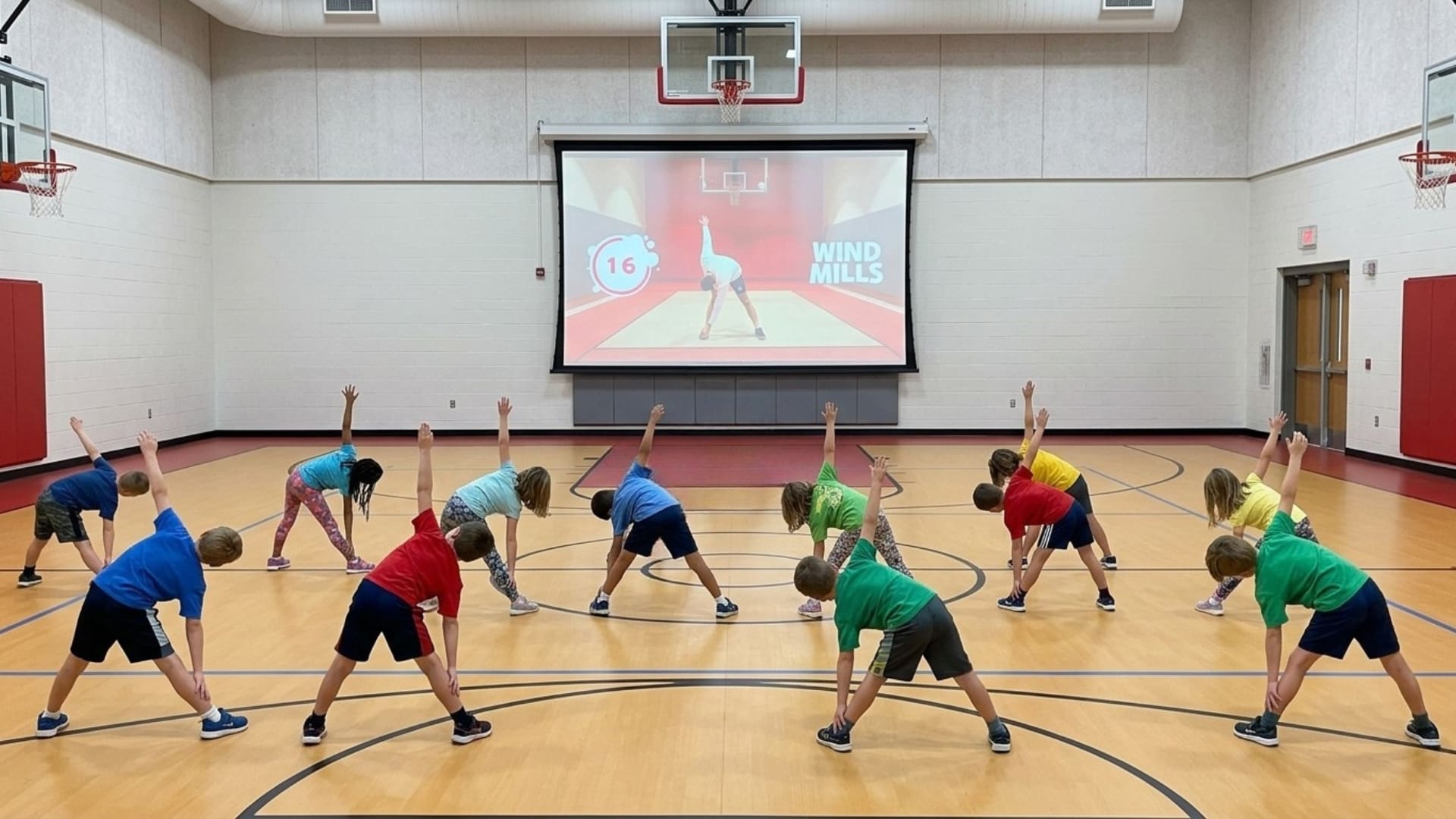
At Frank Wagner Elementary, PE teacher Rachel Castor uses built-in visual slides to help young students understand a skill before they even try it.
“The built-in visual slides help students visualize success, stay focused, and understand key skills before they begin,” Castor said.
In a Title I school with many English-language learners, that visual support makes lessons more accessible for every student.
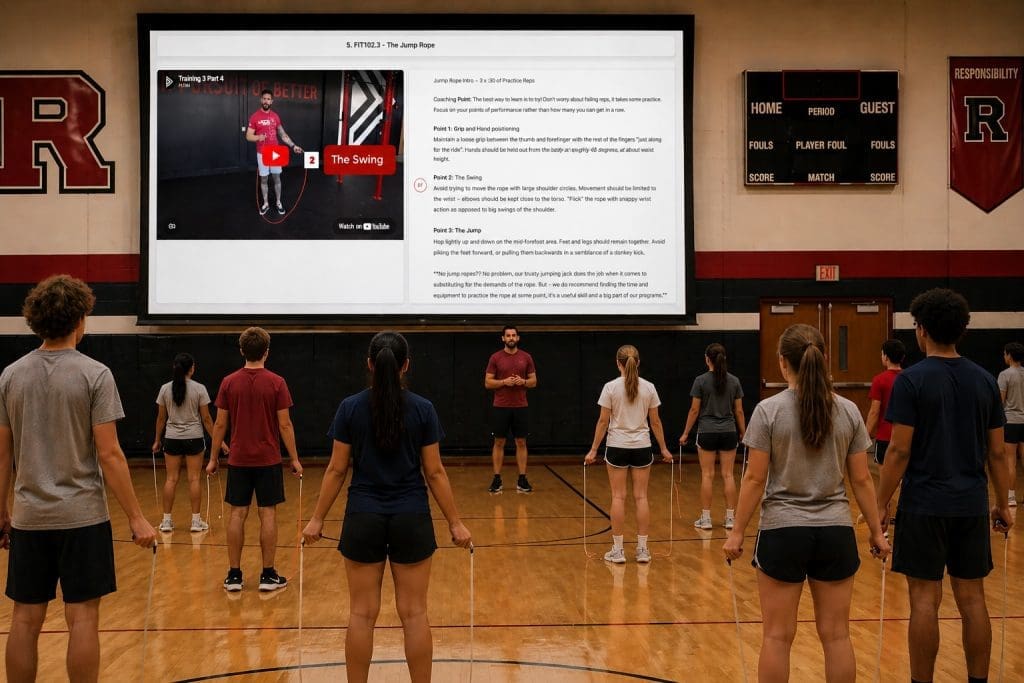
At the high school level, Chris Cabe at Old Rochester High School uses the same approach to teach movement and technique.
“The visuals really help some students understand how their bodies are supposed to move,” Cabe said.
Whether the class is kindergarten or the weight room, video and visual instruction turns teachers into facilitators instead of lecturers. It’s one of the easiest ways to bring technology in physical education into your program right away.
Key 2: Planning & Delivery — Building a Full Semester
Great instruction starts with great planning.
Physical education technology can help teachers build out full units, or even a full semester, in one place.
Videos, slides, and lesson plans all live together instead of being scattered across folders and files.
At Saratoga Springs High School, department head Kelsey Allen relies on the Builder feature to stay organized.
“The custom program builder keeps my curriculum on track, and everything is so organized,” Allen said.
That structure makes it easier to plan ahead instead of building lessons week to week.
Key 3: Data & Tracking
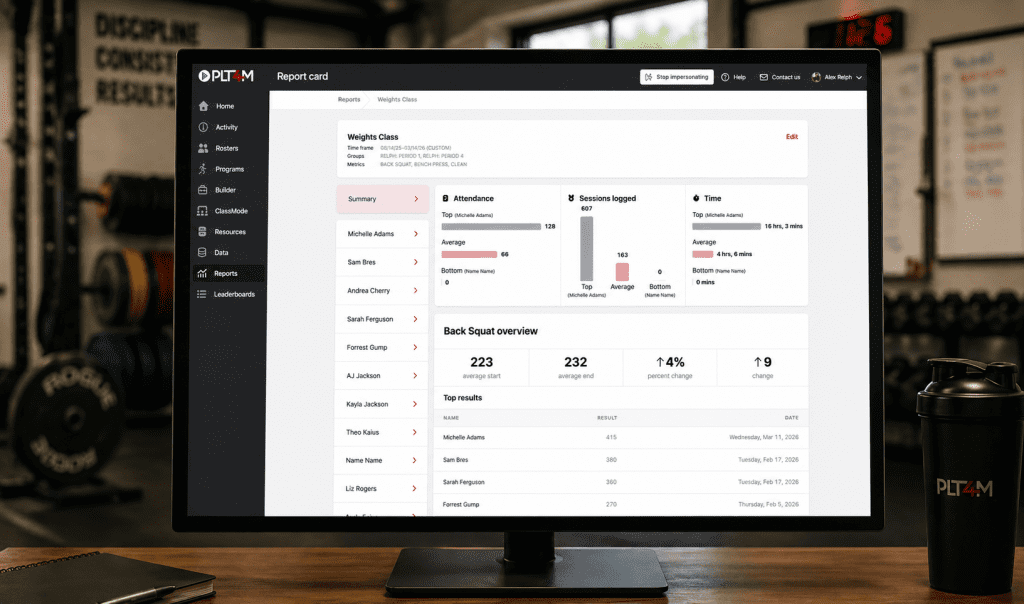
Data is one of the most valuable parts of physical education technology.
Instead of guessing how a workout is going, teachers can see it in real time.
That insight helps teachers know who is progressing and who needs support.
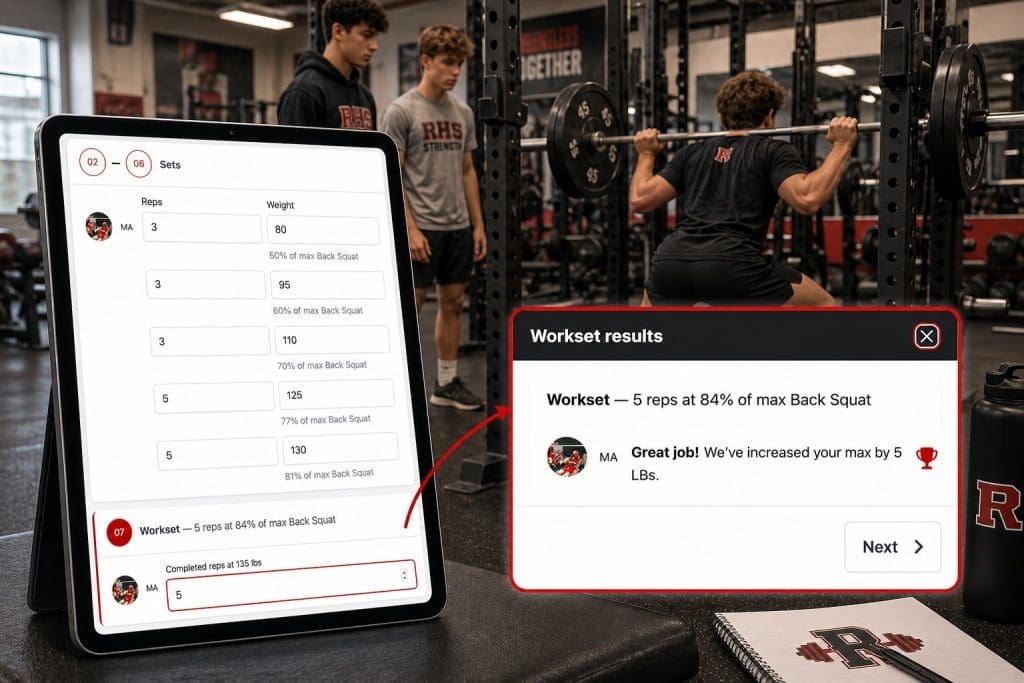
At West Noble High School, Wyatt Tuggle uses PLT4M to build percentages and worksets directly into training.
“Being able to implement percentages and allow them to see what individual weight they should be doing is huge,” said Wyatt Tuggle, Strength & Conditioning Teacher at West Noble High School.
Tracking progress over an athlete’s full educational journey gives teachers a much clearer picture than a notebook ever could.
Key 4: Personalized Instruction
No two students move, lift, or learn the same way.
Physical education technology allows teachers to personalize instruction without creating six different lesson plans.
One class, many paths to success.
At Corner Canyon High School, Alyssa Dalton uses PLT4M to individualize programs across different ability levels.
“It makes it so much easier to individualize programs, track progress, and give athletes immediate feedback,” Dalton said.
That flexibility helps every student train at the right level for them.
Key 5: Student Ownership
The best physical education technology doesn’t just deliver instruction.
It hands some of the ownership back to students.
That shift builds independence students can carry beyond the classroom.
At Madison West High School, Ian Lacasse has watched students move from following workouts to designing their own.
“Students can track progress, log workouts, and eventually design their own programs, which builds real independence,” Lacasse said.
That independence is exactly what helps students walk into any gym feeling capable and confident.
Key 6: One Platform Across the Program
Consistency matters, especially in larger districts.
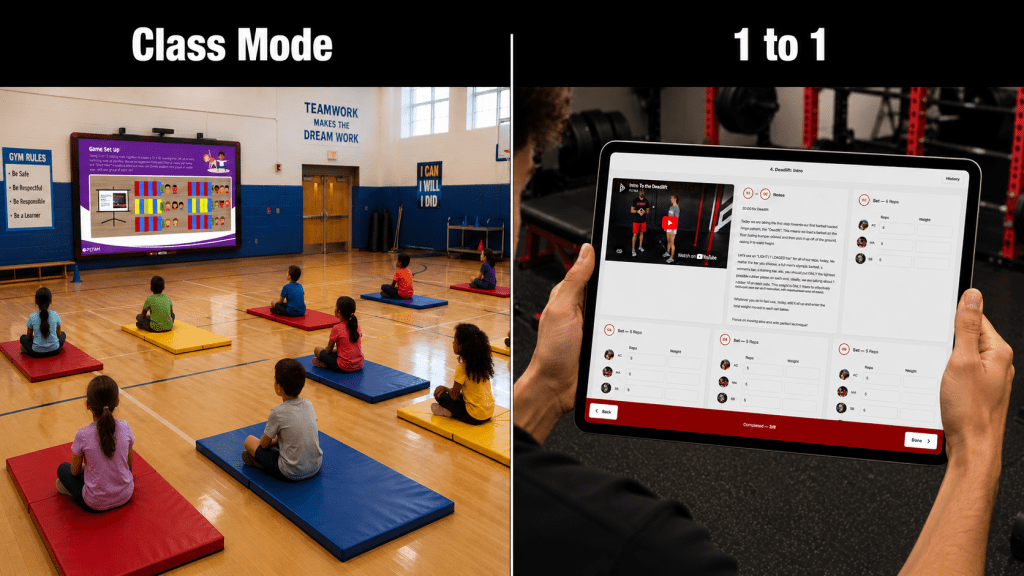
Physical education technology can create one shared experience across every grade level and every teacher.
Students know what to expect no matter who is teaching the class.
At Fullerton Public Schools, Brandon Siegel uses PLT4M from kindergarten through a student’s senior year.
“PLT4M is a tool that serves K–12 physical education as a whole,” Siegel said.
That kind of continuity is hard to build without the right system in place.
Key Takeaways on Physical Education Technology
It works best when it supports teachers instead of replacing them.
The strongest PE programs use it to deliver instruction, track data, and personalize learning, while teachers spend more time coaching and building relationships.
Visual instruction, planning, data, personalization, ownership, and consistency are six proven ways to get there.
Whether you teach elementary PE or run a high school weight room, physical education technology can enhance your program without adding stress. Start with one key, prove it works, and build from there.

 ;
;