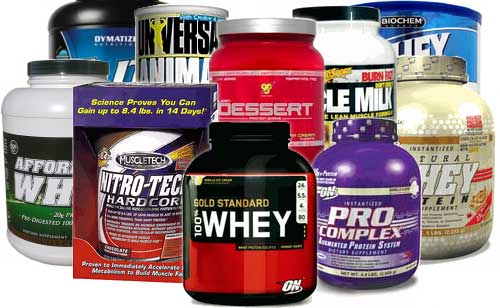
Protein is one of the most classically misunderstood aspects of sport nutrition by high school athletes. Many of you have assumed the need for drastic protein supplementation during the off-season. That fact is, however, that you as an athlete have a protein “RDA” (Recommended Dietary Allowance). That is, you require a specific amount of protein per day. For those of you aiming to simply maintain your current size and muscle mass, .5-.6 grams of protein per pound of bodyweight will suffice. For those of you actively trying to increase muscle mass, this needs increase to about .7 grams of protein per pound of bodyweight.
To add some perspective, a 180 pound high school Junior working hard to get bigger for his senior year will require 126 grams of protein per day. This may sound like a lot, but keep in mind that a simple can of tuna contains more than 30 grams of protein. By just making sure that each meal you consume throughout the day has a good source of protein, you will likely hit your required nutrient levels with a balanced diet. Thus, protein supplements, for anything other than quick and easy post-workout shakes (which we have discussed previously), are usually money unnecessarily spent. Rather, weight and muscle gain is a product of increasing a balanced diet, which increases caloric intake overall while still supplying ample protein stores.
*Note: While protein supplements may not be necessary, they are certainly an easy way to help you reach your daily protein requirements if you are having trouble. I know you are all very busy, and that school meals rarely meet your nutritional needs (especially in the protein department), and if you desire a protein shake or bar to help settle the score, it is certainly OK.*



 ;
;