
As a small 1A school in Iowa, Lynnville-Sully prides itself on a tight-knit, family-oriented community. Coaches, teachers, and administrators know their students well—and they wanted a better solution for supporting strength training, wellness, and overall student development.
Longtime social studies teacher, activities director, and head football coach Mike Parkinson made the switch to teaching PE two years ago. When he stepped into the role, he saw an opportunity. He had grown up training with BFS and understood the value of structured strength foundations, but he also recognized that today’s students needed something more flexible, individualized, and modern.
Many Lynnville-Sully athletes had previously used another training technology, but it only served student-athletes. Mike explains that PLT4M stood out because it could support everyone. With diverse programs and pathways, students—whether they were athletes, involved in the arts, or simply looking for general fitness—could all access training, wellness, and movement options that made sense for them.
“When I saw the opportunity,” he explains, “I knew there was interest in taking our PE program in a different fitness-focused direction.”
Switching to a Student Choice & Fitness Model
Before the shift, student-athletes lifted before or after practice, while PE centered around longer activity units like frisbee golf or extended games. Although enjoyable and educational, these units didn’t always support the needs of athletes or expose non-athletes to the other elements and foundations of lifelong fitness.
Mike saw a chance to redesign PE so it could truly support all students. By shifting strength and fitness training into the school day, he could give athletes consistency while freeing up valuable practice time. At the same time, he wanted students in band, choir, drama, speech, and other activities to gain meaningful access to general fitness, movement, and wellness opportunities.
A key advantage was the community fitness center, which the school shares with local residents. Building this space into PE introduced students to equipment and routines they could use far beyond high school.
“It’s a great opportunity,” Mike says, “to expose students to lifelong health and wellness.”
This shift brought athletics, general PE, and community wellness together into one cohesive, student-centered model.
Building a Modern PE Program For Every Student
A core element of the new approach is that every student starts together. The class begins with a shared warm-up—dynamic stretching, movement prep, and routines that prepare students for the day.
After that, students branch into different paths based on interest and comfort.
Athletes can jump into performance-focused speed and agility work inspired by “Feed the Cats.” Students seeking general fitness or wellness can choose walking, mobility, flexibility, or yoga-based routines.
“Everyone starts together,” Mike explains, “and then students can go where it makes the most sense for them.”
Into the Fitness Center
After the warm-up, the class moves into the community fitness center, which includes a weight room, cardio space, and group exercise room. Students choose the setting and program that aligns with their goals.
Some follow athletic development plans. Others use machine circuits, cardio equipment, or structured walking and biking programs. Mike has even modified PLT4M content to build custom options like the “Hawk Walk” or student-friendly circuits.
“It just depends on the kid,” Mike says. “How comfortable they are and what they want to work on. With PLT4M, the options are all there, and I can adapt them to fit exactly what we need.”
This blend of shared structure and individual choice has made PE more inclusive, engaging, and meaningful for all students—athletes and non-athletes alike.
Why PLT4M Gives Lynnville-Sully the Flexibility They Need
One of the biggest benefits of PLT4M is how flexible it is for a small-school setting. With diverse student needs, Mike needed a platform that supported all levels—not just student-athletes.
“I grew up with BFS,” Mike says. “Flipping back through notebooks to find old numbers. So the idea of giving kids a digital portfolio of their training really stood out to me.”
PLT4M made that possible, allowing students to log workouts and see progress, no matter what type of training they chose.
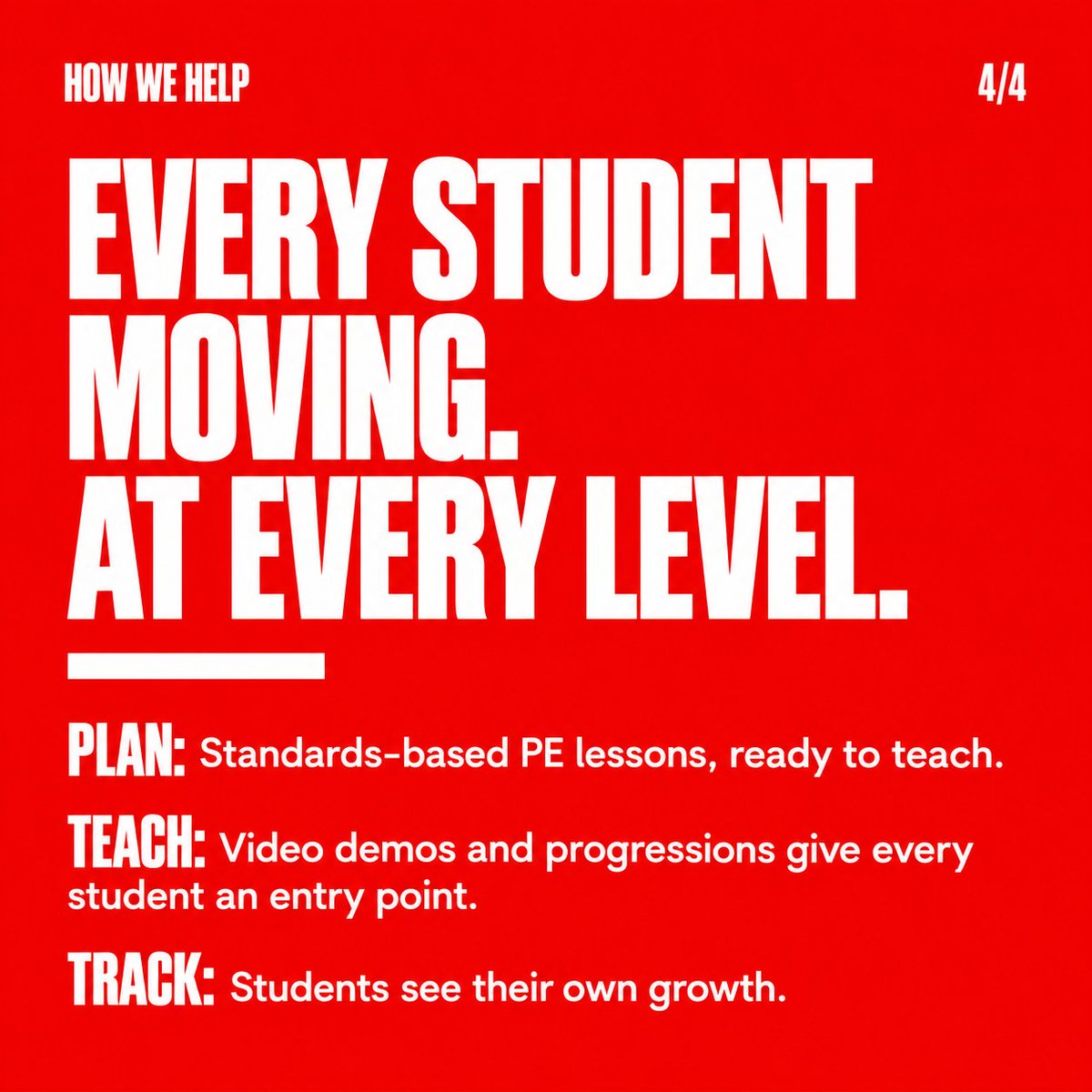
Because PLT4M includes programs across strength, mobility, yoga, wellness, cardio, and more, students can find a path that suits them. Beginners can follow introductory programs,, while athletes can complete in-season or off-season programming. Students focused on wellness or movement can choose lower-impact routines.
When there is something else students might be looking for, Mike builds it.
“Every weight room or fitness center is different,” he explains, “but with PLT4M you can modify things to fit your exact needs.”
This flexibility is what allows true student choice to thrive. The curriculum feels unified, but every student experiences it differently based on their goals.

From Initial Shock to Full Buy-In
Any major shift in a PE model takes time. Students were used to full-quarter game units and activities that felt familiar. The new fitness-focused structure was initially surprising simply because it was different from what they had always known.
“It was a bit of a shock at first,” Mike says, “but once students understood the options and saw how it all worked, it started to click.”
A major key to success has been introducing the model in middle school. Students now learn general fitness skills—movement prep, strength basics, cardio routines, and goal-setting—before they ever reach high school. By ninth grade, they know what to expect.
“This year our freshmen have been outstanding,” Mike explains. “They were hungry to get out and use the fitness center because they had the confidence built in middle school.”
Just as importantly, PLT4M has helped students engage with technology in physical education in a responsible, meaningful way. “It empowers kids to use technology the right way in a classroom setting,” Mike says. Devices have become tools for progress logging and accountability.
As students began to feel successful—whether improving strength, sticking to a walking program, or developing new mobility patterns—buy-in grew quickly. Today, the model feels normal, expected, and exciting.

A Stronger Community Through Student Choice, Fitness, and Wellness
Lynnville-Sully’s updated PE program reflects what makes the school special: a small, community-centered place where every student is supported. Through a structure built around choice, Mike has created a model where all learners—athletes, artists, and everyone in between—can find meaningful pathways into fitness, strength, and wellness.
Students are engaged, intentional, and proud of the work they do. Whether they’re lifting, practicing mobility, using machines, or building endurance, each student leaves class feeling successful. The emphasis on autonomy helps them gain confidence in choosing the routines and activities that fit them best.
The shift has strengthened athletic programs without sacrificing opportunities for non-athletes. Consistent, school-day training keeps teams balanced and prepared, while students who never viewed themselves as “lifters” or “athletes” have discovered new ways to participate and thrive.
“We’ve taken a big step forward,” Mike says. “We’re giving students options, structure, and support—and they’re really proud of the work they’re doing.”
With strong foundations and growing student enthusiasm, Lynnville-Sully’s PE program is positioned to keep evolving and empowering the next generation of Hawks.



 ;
;