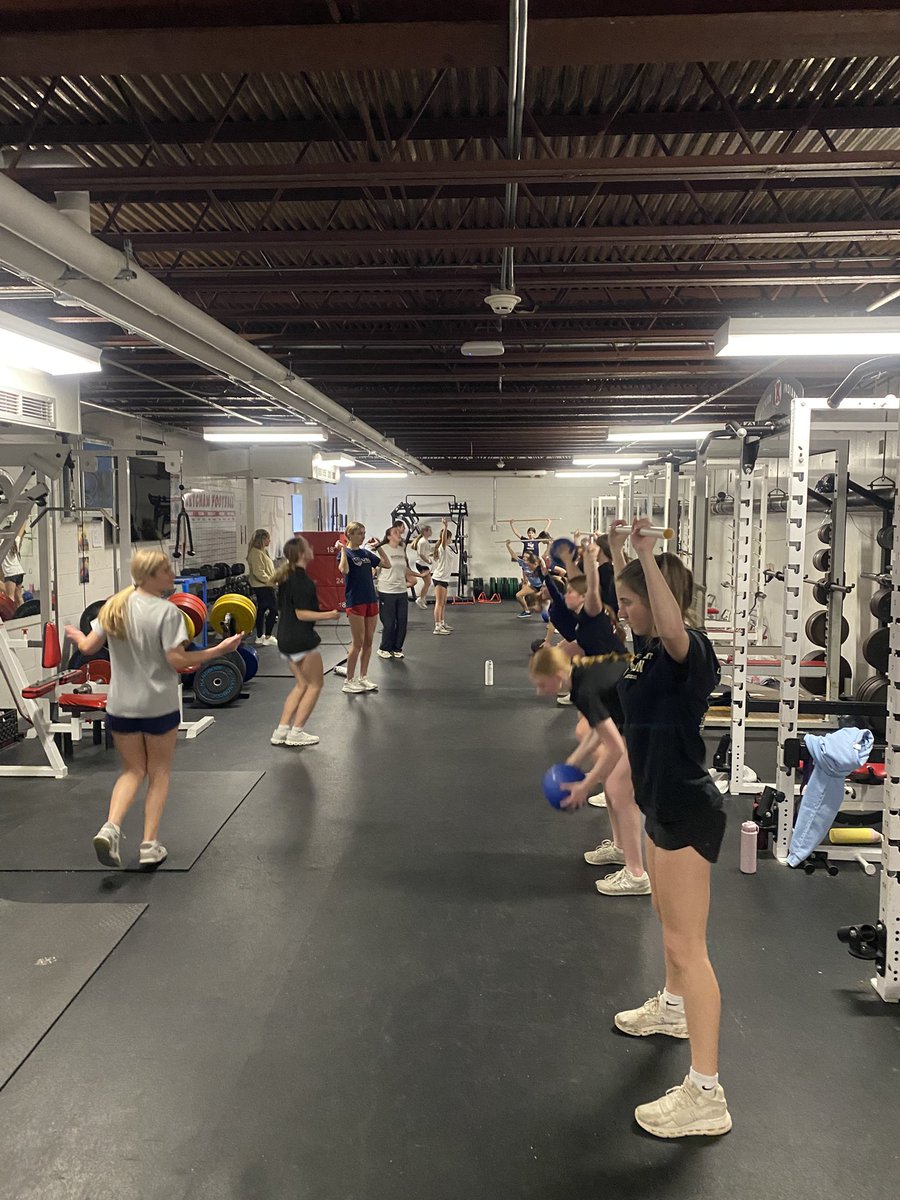

At North High School in California’s Kern County, physical education carries a different kind of weight. Kern County consistently ranks near the bottom of the state’s health outcomes, with high rates of obesity, low physical activity, and limited access to wellness resources. Those realities make physical education not just important, but essential.
Tyler Saso, a PE teacher at North High, sees this clearly. “If PE was really working the way it should,” he explains, “our community health outcomes wouldn’t look the way they do.” For Tyler and his department, that awareness has reshaped how they think about the purpose of PE—not simply as a graduation requirement, but as a meaningful opportunity to influence long-term health, belonging, and direction.
North High serves a community where poverty is common and access to structured physical activity outside of school is limited. Many students arrive as freshmen already disconnected from movement and unsure where they fit in. Rather than lowering expectations, the PE department has leaned into the challenge—recognizing that PE can be one of the most consistent, impactful touchpoints students have with health and wellness.
PLT4M has played a key role in that shift. Instead of treating PE as something students “get through,” North High is using it as a starting point—one that helps students build understanding, develop confidence, and move toward long-term health and wellness.
Using PE to Address Real Health Challenges
California requires four semesters of PE for graduation, which means North High’s PE classes include a wide mix of students. Freshmen and sophomores are required to enroll, but juniors and seniors often appear in PE as well—making up credits, returning from summer school, or re-engaging after time away.
That mix creates both challenges and opportunities.
“Kids are really hungry for structure, belonging, and direction,” Tyler explains. “Health and wellness are the cornerstone of all of that.”
Rather than relying on one-size-fits-all activities, North High has committed to using PE as a space where students can explore movement, learn about their bodies, and begin taking ownership of their personal health.
A major focus has been creating pathways beyond required PE. Since adopting PLT4M, the department has been intentional about helping students transition into electives like Strong Body, Essentials of Personal Fitness, and Prevention and Care of Athletic Injuries. Some of these courses offer dual enrollment through Bakersfield College, allowing students to earn both high school and college credit.
Using a shared platform across PE and electives has created consistency for students. It reinforces the idea that PE isn’t just a box to check, but a pathway toward continued learning and healthier habits beyond high school.

Standards, Structure, and Student Engagement
One of the biggest shifts for North High’s PE teachers has been the ability to better align instruction with state standards while still keeping students engaged. The curriculum, lesson plans, learning targets, and instructional resources within PLT4M have helped provide that foundation.
Tyler explains that even fundamental movements benefit from clear, consistent instruction. “Being able to put a video up and show something as simple as an air squat, push-up, or plank is really valuable,” he says. “Sometimes kids just need to hear it explained a different way.”
That structure allows teachers to do what they do best: coach, instruct, and give feedback. During large or combined PE classes, programs like Bodyweight Bootcamp can be projected for the entire class, freeing teachers to circulate, correct form, answer questions, and connect with students who need extra support.
“Some of our most fun classes are freshman PE,” Tyler notes. “We’ll put a Bodyweight Bootcamp workout up on the projector, and that lets us actually walk around, help kids, and engage instead of just managing the class.”
The curriculum also supports cognitive learning. Written materials and learning targets align with district PLC expectations and California standards, giving PE a stronger academic footing while still prioritizing movement and participation. Teachers can use the content directly or adapt it to better match their student population.
Bonus: Sample Bodyweight Bootcamp Workout from PLT4M.
Free Download!
THE LIFETIME FITNESS PLAYBOOK FOR PE
Proven strategies to introduce more Lifetime Fitness into youre Curriculum. Loaded with free lessons, you won’t want to miss this resource!
Data, Progress, and Individualized Growth
Alongside instruction, data has become a powerful tool for personalizing the PE experience—particularly for teacher Lyndsie Brooks.
“For me, the biggest piece is data tracking,” Lyndsie explains. “I love being able to see progress over time.” Whether it’s an 800-meter run, a PACER test, or another fitness metric, she uses data to shift grading toward individual improvement rather than comparison.
Instead of grading students against standardized charts, Lyndsie focuses on personal benchmarks. “I’ll tell students, ‘Improve your time or maintain it, and I’ll grade you accordingly,’” she says. That approach helps students compare themselves to their own previous efforts, not to the fastest or strongest student in class.
Tracking progress over time also builds ownership. Students can see their growth, understand how effort impacts outcomes, and stay engaged even if they’re injured or temporarily unable to participate fully. Data becomes a tool for learning, not pressure.
Together, strong instruction and individualized data have helped North High create PE classes that are more intentional, more motivating, and more responsive to student needs.

Continuing To Build At North High School
Both Tyler and Lyndsie are quick to point out that they’re still just getting started. “There’s so much more potential,” Lyndsie says. “We’ve only scratched the surface of what we can do.”
That mindset is intentional. While some teachers in surrounding schools worry that technology might replace instruction, North High’s experience has been the opposite. The structure provided by PLT4M has allowed teachers to be more present—coaching more, giving more feedback, and building stronger relationships with students.
Tyler has already started exploring new applications, like having students design multi-week workout programs for “fake clients” in his Essentials of Personal Fitness class. Throughout the semester, students apply what they’ve learned—movement fundamentals, programming principles, and health considerations—to build thoughtful, realistic plans in PLT4M.
For North High, this work goes beyond PE. It’s about tackling real challenges facing their community through high-quality physical education—driven by teachers who care deeply about their students, supported by curriculum and technology that allow them to go deeper.
They’re continuing to build, refine, and explore what’s possible, with the belief that strong PE programs can play a meaningful role in improving health, confidence, and direction for the students they serve.



 ;
;