
CPR & first aid lessons for students are becoming increasingly important in schools. Emergencies can happen anywhere — at school, during sports, at home, or in public spaces. While students and individuals do not need to be medical professionals, they can build and learn basic skills that help them respond in emergency situations until trained help arrives.
More schools are introducing CPR, AED awareness, choking response, and other first aid concepts through health and physical education programs.
In this article, we will explore the growing need for CPR and first aid training for students, the foundational skills schools can introduce, and a closer look at PLT4M’s CPR & First Aid Fundamentals program.
Why Schools Are Teaching CPR & First Aid Skills
Across the United States, more states are introducing legislation and graduation requirements related to CPR and first aid education in schools. Many schools now look to provide CPR training for high school students before graduation as part of health and physical education requirements.
While the specific expectations vary from state to state, the overall goal is consistent: helping students build a foundational understanding of emergency response skills that could help save a life.
Schools are not expected to turn students into certified medical professionals. Instead, the focus is on introducing essential concepts such as recognizing an emergency, calling for help, hands-only CPR, AED awareness, choking response, and other basic first aid skills.
This approach helps make CPR and first aid training more accessible within school health and physical education settings. Many educators are looking for flexible ways to provide first aid training for schools without the barriers that can sometimes come with large-scale certification programs.
Full certification programs can require additional costs, specialized equipment, instructor certifications, and strict teacher-to-student ratios. While those programs remain valuable and are encouraged when possible, many schools are also looking for practical ways to ensure students still receive meaningful exposure to life-saving concepts and emergency response practice.
Even basic CPR and first aid lessons for students can help build awareness, confidence, communication, and decision-making skills in emergency situations. Foundational first aid training for students in schools can help students stay calm, recognize a problem, call 911, locate an AED, and begin basic response steps before trained professionals arrive.

PLT4M’s CPR & First Aid Lessons For Students
PLT4M’s CPR & First Aid Fundamentals program introduces students to foundational first aid, CPR, and AED training concepts through a skills-based health education approach. Across five lessons, students explore how to recognize emergencies, respond safely, and build confidence in high-pressure situations.
Each lesson combines instructional videos, written content, guided discussion, and active practice opportunities designed to help students better understand and apply the concepts being taught.
Program Breakdown
Recognizing An Emergency: Students learn how to identify emergency situations, assess surroundings, communicate clearly, and activate emergency response systems such as calling 911.
Hands-Only CPR: Students are introduced to the basics of hands only CPR training, including scene awareness, chest compression rhythm, body positioning, and emergency response sequencing.
AED (Automated External Defibrillator): Students explore what an AED is, how it works, where AEDs are commonly located, and the basic steps involved in AED awareness and usage.
Choking (Obstructed Airway): Students learn how to recognize the signs of choking and explore safe response concepts related to obstructed airway emergencies.
Bleeding Control, Tourniquet Use & Basic Bandaging: Students are introduced to bleeding control concepts including applying pressure, understanding basic bandaging techniques, and recognizing when tourniquet use may be necessary.
Each lesson is designed to take approximately 45–60 minutes and incorporates a mix of videos, slides, emergency response scenarios, guided reflection, and active practice drills to help reinforce student understanding and engagement.

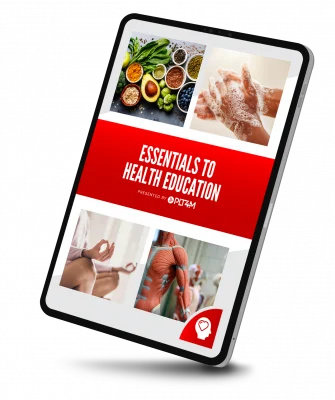
Get Our FREE Health E-Book!
The Essentials to Health Education
Get five free health lessons, pulled directly from our Health Curriculum. With lessons on Nutrition, Digital Citizenship, Personal Hygiene and more, there are tons of valuable insights!
Let’s Take A Closer Look At Some Of The Resources Within PLT4M
PLT4M’s CPR & First Aid lessons for students are designed to help schools introduce emergency response concepts in engaging, age-appropriate, and practical ways. Rather than relying only on written content, each lesson combines multiple forms of instruction and active learning to help students better understand and apply what they are learning.
Throughout the program, students engage with instructional videos, guided slides, emergency response scenarios, active practice drills, simulations, discussion prompts, and reflection activities. Lessons are designed to support not only skill awareness, but also communication, decision-making, confidence, and the ability to stay calm during emergency situations.
Below are a few examples of the resources and lesson components included throughout PLT4M’s CPR & First Aid Fundamentals program.
Building Foundational Emergency Response Skills
In the “Recognizing An Emergency” lesson, students begin by learning the foundational steps involved in alerting others and getting help during an emergency situation. Before diving into more detailed emergency response scenarios and practice activities, students first build an understanding of how to stay calm, communicate clearly, and activate emergency response systems like calling 911.
This type of instructional slide helps introduce key concepts in a clear, student-friendly format before students move into guided discussions, simulations, and applied practice scenarios. By breaking emergency response skills into manageable steps, students can better understand what actions to take and why those actions matter during real-world situations.

Hands-Only CPR Training For Students
PLT4M’s CPR & First Aid Lessons For Students also incorporate CPR training videos that help students visualize important emergency response concepts before moving into active practice. In the Hands-Only CPR lesson, students are introduced to the “Look, Listen, Feel” process used to help recognize signs of cardiac arrest and determine when CPR may be needed.
The lesson video walks students through important early response steps such as checking responsiveness, observing breathing, and recognizing when emergency action should begin. By first seeing these concepts modeled visually, students can build a stronger understanding of the sequencing and decision-making involved in emergency response situations.
This is just one example of the CPR training videos included throughout PLT4M’s lessons. Each CPR video for students is designed to introduce concepts in an age-appropriate and easy-to-follow format before guided practice begins.
After exploring these foundational concepts through video instruction and guided discussion, students transition into active practice activities where they apply hands-only CPR techniques and rhythm work using mannequins and simulated emergency response scenarios. Lessons also incorporate guided CPR scenarios for students that help reinforce communication, sequencing, and emergency response decision-making skills.
Active Practice & Emergency Response Simulations
Beyond videos and instructional slides, PLT4M’s CPR & First Aid Lessons For Students include active practice opportunities that help students build confidence and familiarity with emergency response situations in safe, structured environments.
In the Choking lesson, students participate in guided choking rescue simulation drills where they practice recognizing the signs of choking, verbal communication, body positioning, and the sequence of response steps associated with choking emergencies. Activities focus on awareness, positioning, and emergency response sequencing rather than applying actual force.
As highlighted throughout the lesson materials, all partner activities remain simulation only. Students never perform actual abdominal thrusts or choking rescue techniques on someone who is not choking. Instead, lessons emphasize safe positional practice, communication, confidence, and understanding the appropriate response steps in emergency situations.

Helping Students Build Lifelong Emergency Response Awareness
At first glance, a single lesson on topics like CPR, AED awareness, choking response, or bleeding control may not seem like enough time to fully master every concept. However, even foundational exposure to these emergency response skills can have a meaningful impact on students and school communities.
Through structured lessons, guided discussions, instructional videos, and active practice opportunities, students can build a basic understanding of how to recognize emergencies, stay calm, communicate clearly, and begin appropriate response steps. For many students, this may be their first introduction to life-saving concepts and emergency preparedness.
PLT4M’s CPR & First Aid Lessons For Students are designed to help schools make these important topics more accessible within health and physical education settings. The goal is not to replace professional training programs, but rather to help more students develop awareness, familiarity, confidence, and foundational emergency response skills they can carry into real-world situations.
Students who become interested in these topics are encouraged to continue exploring additional learning opportunities and formal certification pathways in the future. At the very least, introducing more students to basic CPR and first aid concepts helps create communities with more people prepared to recognize emergencies, respond safely, and help others when every second counts.
Check Out More Of PLT4M’s Health Content:
Frequently Asked Questions About CPR & First Aid Lessons For Students
Why are schools teaching CPR and first aid skills?
Many states now encourage or require schools to introduce CPR, AED awareness, and first aid concepts before students graduate. These lessons help students build foundational emergency response awareness and confidence.
What should CPR training for students include?
CPR training for students can include recognizing emergencies, calling 911, hands-only CPR, AED awareness, choking response, and other basic first aid concepts. Many schools also incorporate CPR training videos, guided discussions, and active practice opportunities.
Can schools provide CPR and first aid education without full certification programs?
Yes. Many schools introduce foundational emergency response concepts through health and physical education lessons without offering full certification programs. These lessons still help students build awareness, familiarity, and confidence in emergency situations.
What are hands-only CPR training lessons?
Hands only CPR training lessons focus on recognizing cardiac arrest, calling 911, and practicing chest compressions without rescue breaths. These lessons often include CPR training videos, rhythm practice, and simulated emergency response scenarios.
How do CPR scenarios for students help build confidence?
CPR scenarios for students allow learners to practice communication, sequencing, and emergency response decision-making in safe, structured environments. These simulations help students better understand how to respond calmly and appropriately during real-world emergencies.



 ;
;